Baharat, infinite spice blends
Baharat is a spice blend common in Middle Eastern cuisine and its often used to season meats. Discover an easy recipe to make it at home quickly
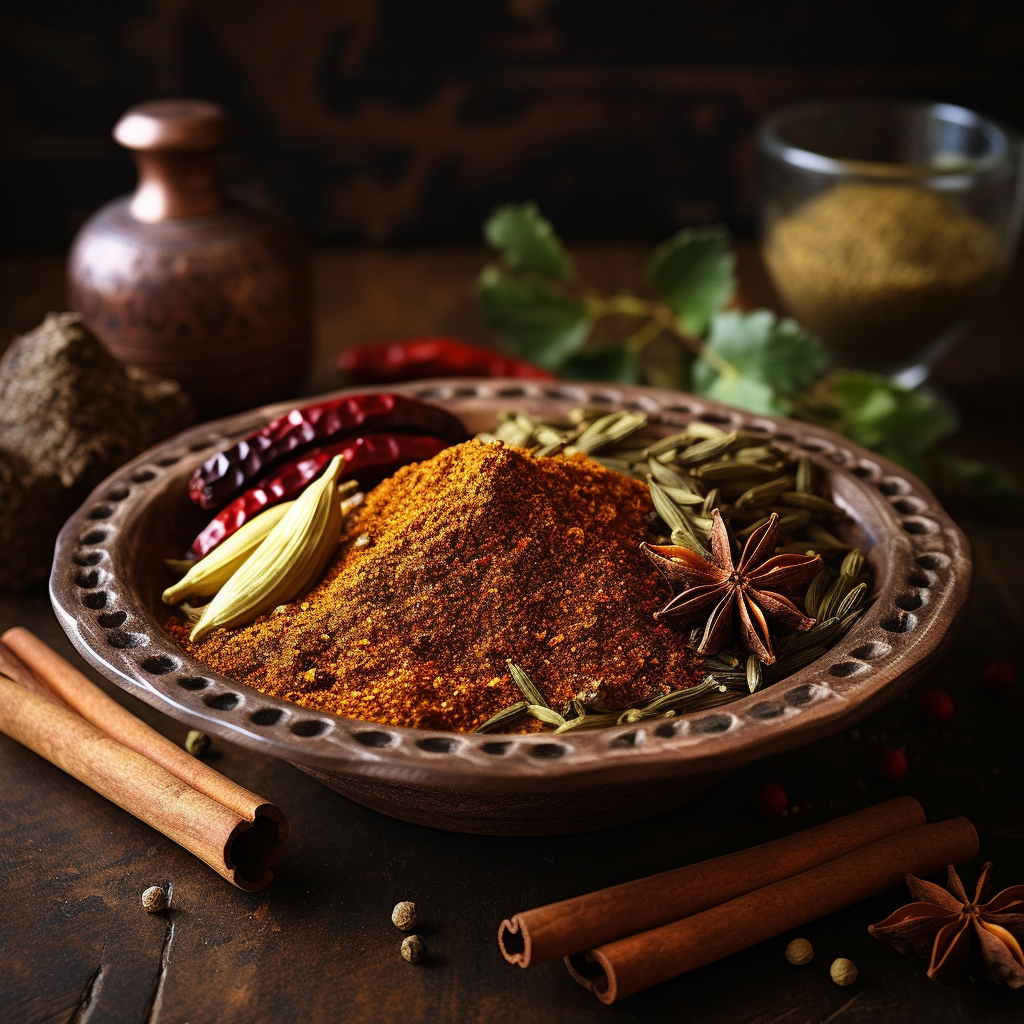
Delving deeper into its origins, though, requires understanding the culinary and trade history of the Middle East.
Trade Routes and Spice History: The Middle East has been a crossroads of trade routes for centuries, especially the famed Silk Road. This allowed for the exchange of spices between the East and West. Over time, the Middle East incorporated these spices into their local cuisine and developed distinctive blends, of which Baharat is a prime example.
Regional Variations: The specific origins of Baharat are difficult to trace because the Middle East is not a monolithic entity in terms of culture or cuisine. There are regional nuances across countries and even within different regions of the same country. Each area might have its version of Baharat. For instance:
- In Turkey, the blend might be simpler, focusing more on mint.
- In Tunisia, it might lean towards a spicier side with the addition of dried chili peppers.
- The Gulf countries, like Kuwait and Bahrain, have versions that might include dried lime or saffron.
Culinary Evolution: Like many traditional recipes, Baharat has evolved over time as generations of cooks have put their personal touch on it. As families moved or intermingled, their recipes for Baharat likely changed, adding to the diversity of the blend's formulations.
Cultural Significance: The Middle East has a rich tradition of hospitality and communal eating. Spices and seasoned foods hold cultural significance, symbolizing warmth, hospitality, and celebration. Baharat, being a blend of several spices, is an embodiment of this tradition, offering a mix of flavors that enhance and deepen the taste of dishes.
While the precise origin story of Baharat remains a blend of history, culture, and culinary evolution, its presence across Middle Eastern dishes is a testament to its importance and beloved nature in the region's cuisine.
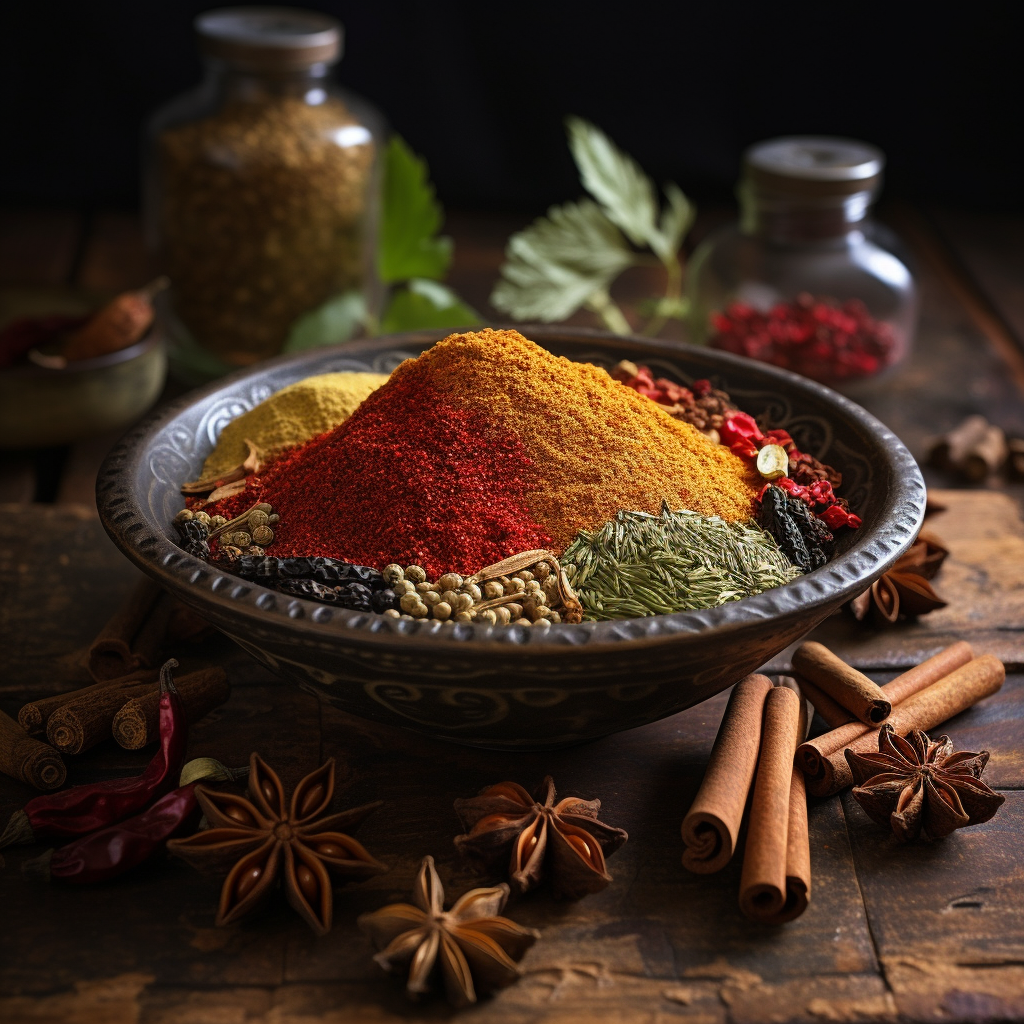
This beautiful, aromatic spice blend is easier to prepare with a spice grinder. While there are traditional methods of grinding spices, like using a mortar and pestle, the modern spice grinder typically refers to an electric device, although manual grinders are still popular.
Types of Spice Grinders:
- Blade Grinders: These have a set of sharp blades that rotate at high speeds to chop and pulverize the spices. They are more common and generally cheaper. Coffee grinders can often double as blade spice grinders, but it's advisable to have separate grinders for spices and coffee to prevent flavor cross-contamination.
- Burr Grinders: These use two abrasive surfaces (burrs) that rotate and crush the spices between them. Burr grinders give a more consistent grind than blade grinders. They're often used for coffee but can also be found in versions for spices.
- Manual Grinders: Often using a mechanism similar to burr grinders, these require manual effort to grind the spices. They might come in forms like a mill or with a grinding mechanism at the top.
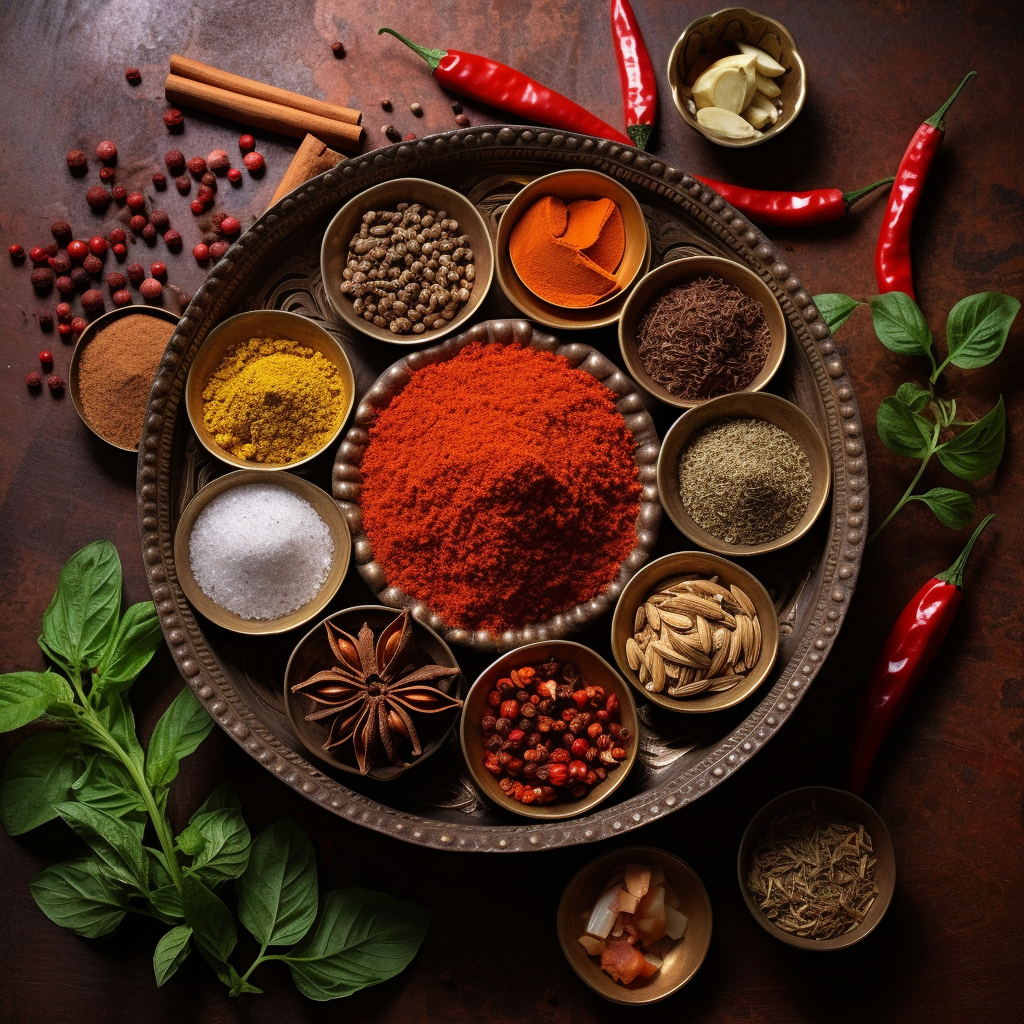
Preparing Baharat at home allows you to adjust the blend to your taste and enjoy the vibrant flavors of freshly ground spices. Here's a basic recipe to make your own Baharat spice blend:
Ingredients:
- 2 tablespoons black peppercorns
- 2 tablespoons coriander seeds
- 2 tablespoons cumin seeds
- 1 tablespoon allspice berries
- 1 tablespoon green cardamom pods
- 1 tablespoon cloves
- 1 3-inch cinnamon stick (or 2 tablespoons ground cinnamon)
- 1 tablespoon paprika (sweet or smoked, depending on preference)
- 1 teaspoon nutmeg (preferably freshly grated)
Note: You can adjust the quantities based on personal preference and how much spice blend you want to make.
Instructions:
- Toasting the Spices: This step is optional, but toasting spices can elevate their flavor. Place the whole spices (peppercorns, coriander seeds, cumin seeds, allspice berries, cardamom pods, cloves, and cinnamon stick) in a dry skillet over medium heat. Toast them, stirring or shaking the pan occasionally, until fragrant, about 3-5 minutes. Be careful not to burn them. Remove from heat and allow them to cool.
- Grinding: Once the spices are cooled, transfer them to a spice grinder (or use a mortar and pestle). Grind the spices to a fine powder.
- Mixing: Transfer the ground spices to a mixing bowl. Add in the paprika and freshly grated nutmeg. Stir well to combine.
- Storing: Store the Baharat blend in an airtight container in a cool, dark place. It will retain its best flavor for up to six months, but can be used beyond that, albeit with slightly diminished flavor.
Usage Tips:
- Baharat can be used as a rub for meats (chicken, lamb, beef), as a seasoning in stews or soups, and in rice dishes.
- When using Baharat as a meat rub, you can combine it with some olive oil to make a paste for easier application.
- You can adjust the heat level by adding or reducing the amount of black peppercorns or incorporating some chili flakes or powder.
Remember, the beauty of making your own spice blends lies in the ability to tweak them to your palate. Over time, you can adjust and perfect your Baharat recipe to suit your and your family's tastes perfectly.