The timeless Matbucha
Matbucha is a popular dish in the Maghrebi cuisine, especially in countries like Morocco, Tunisia, Libya, and Algeria. Here is a revisited version that you can prepare as a salad or a dip with Challah bread!
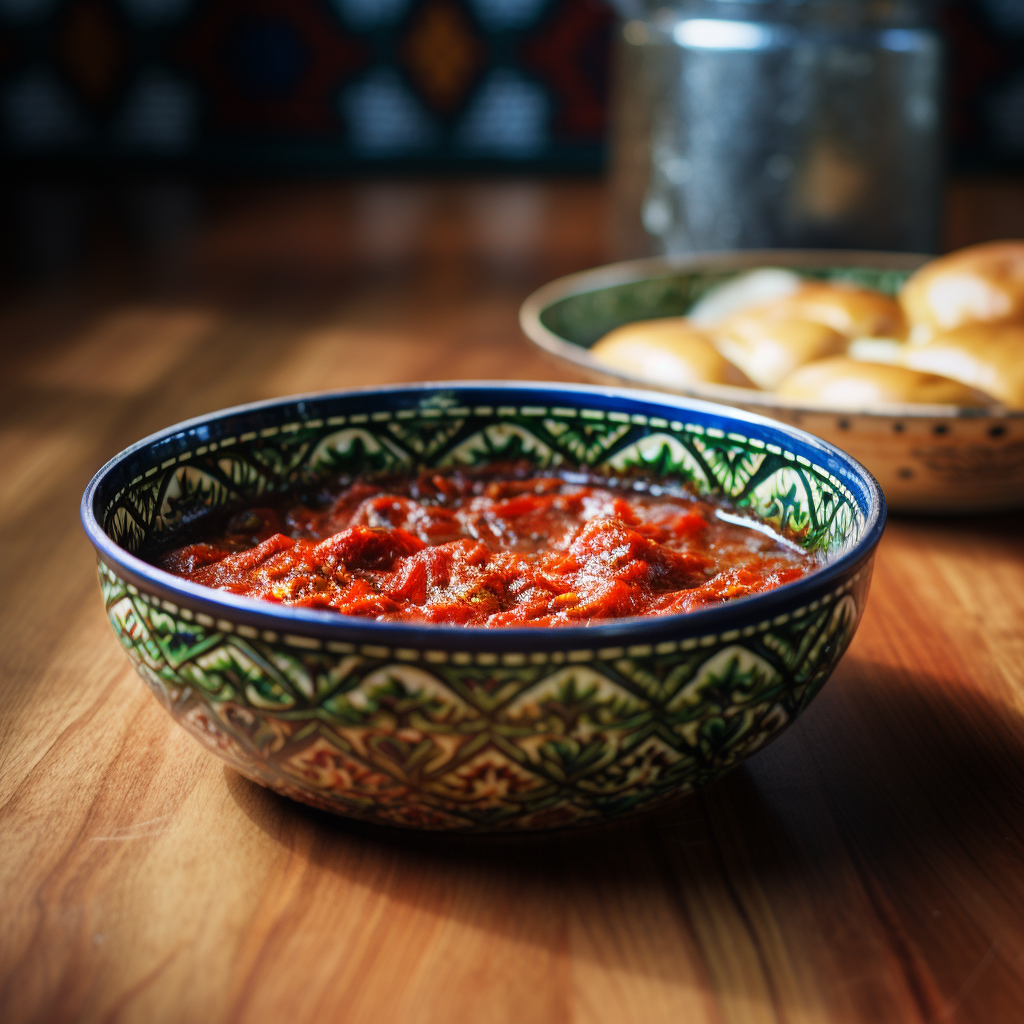
Matbucha, also known as Salade cuite in France, like many traditional dishes, has roots that are intertwined with the cultural and historical movements of peoples and regions.
- Maghrebi Origins: Matbucha's origins can be traced back to the Maghreb region, which encompasses countries like Morocco, Tunisia, Algeria, and Libya. The dish embodies the flavors and culinary techniques of North Africa, where slow-simmered stews and spicy condiments are cornerstones of the cuisine.
- Jewish Migration: As with many traditional foods, the spread of Matbucha is deeply connected to human migration. Sephardic Jews from the Maghreb brought the dish with them when they migrated to other parts of the world, most notably Israel. This migration played a pivotal role in introducing Matbucha to a wider audience and integrating it into different culinary traditions.
- Integration into Israeli Cuisine: Due to the significant migration of Jews from North African countries to Israel, especially after the establishment of the state of Israel in 1948, Matbucha became a popular dish in Israeli households. Over time, it has been embraced as a staple of Israeli cuisine, often found alongside other Middle Eastern and Mediterranean dishes like hummus, falafel, and shakshuka.
- Adaptation and Variation: While the core ingredients of Matbucha remain fairly consistent, different regions and communities have added their touches. In Israel, for example, the influence of Middle Eastern flavors and ingredients can sometimes be seen in variations of the dish.
- A Symbol of Shared Heritage: Interestingly, Matbucha serves as a culinary testament to shared heritage. While political tensions in the Middle East and North Africa are often in the spotlight, dishes like Matbucha underscore the deep cultural and historical ties that bind communities together. Many dishes in the region have parallels in multiple cultures, reflecting a rich tapestry of shared history and mutual influence.
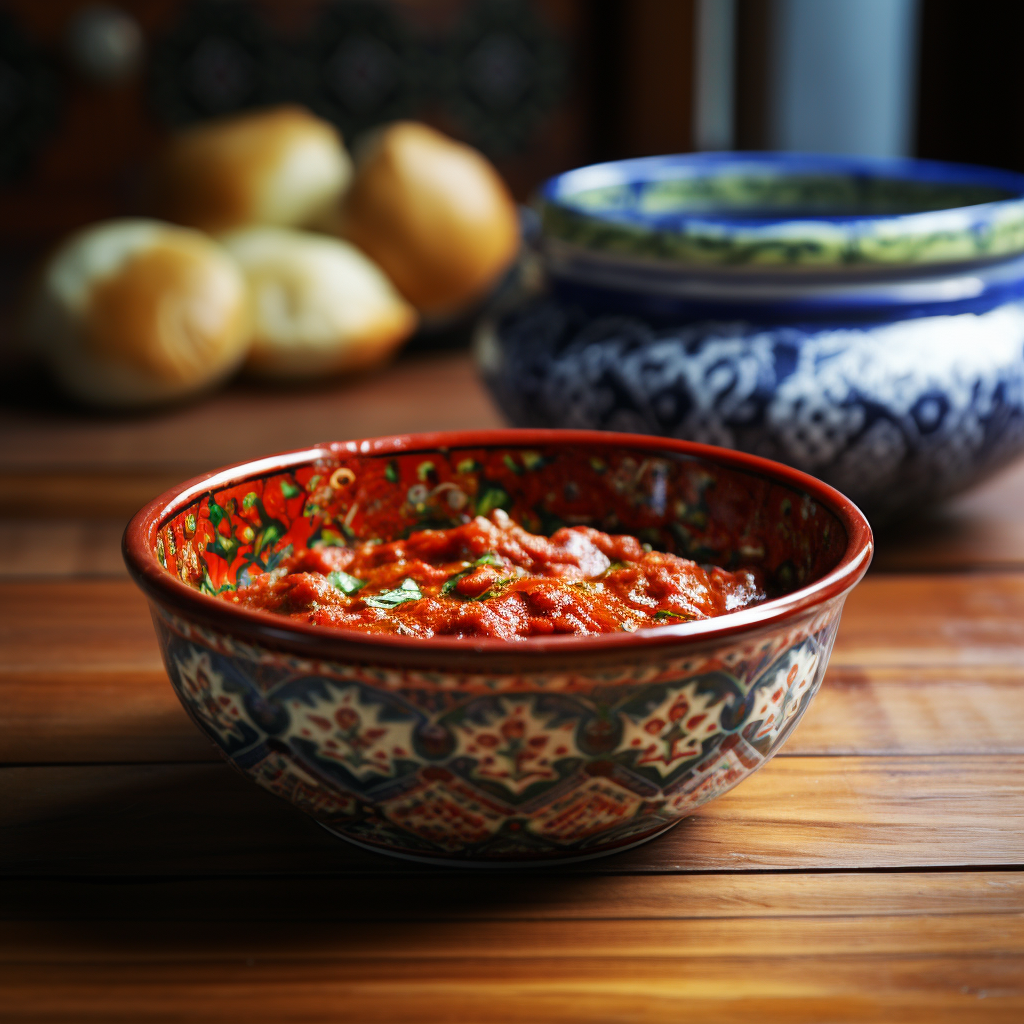
In summary, the history of Matbucha is more than just a tale of a tasty dish; it's a reflection of migration, cultural exchange, and the power of food to transcend borders.